
Selecting premium hosting for your UK business means navigating a crowded marketplace where uptime promises, speed claims, and security features often blur together. Yet the right hosting choice directly impacts revenue, customer trust, and growth potential. This guide breaks down the five critical features that distinguish truly premium hosting from standard offerings, helping you make an informed decision that supports your business goals in 2026.
Table of Contents
- How To Choose Premium Hosting: 5 Critical Selection Criteria
- Uptime Guarantees And Reliability
- Performance Technologies Driving Speed
- Security Features For Protection
- Scalability And Growth Support
- Support Excellence And Customer Service
- Summary Comparison Table And Situational Recommendations
- Discover Premium Hosting Tailored For Your UK Business
Key takeaways
| Point | Details |
|---|---|
| Uptime guarantees | Premium hosts deliver 99.99% uptime, limiting annual downtime to roughly 52 minutes and protecting revenue. |
| Performance technology | NVMe storage, LiteSpeed servers, and CDNs keep server response under 300ms, reducing bounce rates by up to 32%. |
| Security essentials | Free SSL, WAF, DDoS protection, and daily malware scans safeguard business data and customer trust. |
| Scalability options | Cloud and VPS plans allow instant CPU and RAM upgrades without downtime, supporting business growth. |
| UK-focused support | 24/7 expert assistance with UK business-hour coverage ensures rapid problem resolution. |
How to choose premium hosting: 5 critical selection criteria
UK small to medium-sized businesses and web developers face a fundamental challenge when evaluating hosting providers. You need hosting that delivers measurable business value, not just technical specifications. Premium hosts separate themselves through five core criteria that directly affect your bottom line and operational stability.
First, seek uptime guarantees of 99.99% or higher, which translates to approximately 52 minutes of downtime annually. This reliability threshold protects revenue streams and maintains customer confidence. Second, prioritise server response times under 300 milliseconds. Fast response directly improves user experience and search engine rankings, giving you a competitive edge in organic visibility.
Third, verify that advanced security features come standard, not as expensive add-ons. SSL certificates, web application firewalls, DDoS protection, and proactive malware scanning should be included. Fourth, confirm that your hosting plan offers seamless scalability. As traffic grows, you need the ability to upgrade CPU, RAM, and storage without service interruptions or complex migrations.
Fifth, evaluate customer support quality and availability. Look for 24/7 technical assistance with specific coverage during UK business hours. Expert support teams familiar with WordPress, ecommerce platforms, and common SMB requirements resolve issues faster and minimise downtime.
Pro Tip: Request uptime reports and performance benchmarks from potential hosts before committing. Transparent providers willingly share this data, whilst vague responses signal potential reliability concerns.
These five criteria form your evaluation framework. Each feature connects directly to business outcomes:
- Uptime protects revenue and maintains customer trust
- Speed improves conversions and search rankings
- Security prevents costly breaches and compliance issues
- Scalability supports growth without technical debt
- Quality support minimises operational disruptions
Applying this framework helps you compare providers objectively and select hosting aligned with your specific business requirements and growth trajectory.
Uptime guarantees and reliability
Downtime costs UK businesses real money and erodes customer trust rapidly. Each hour offline can reduce daily revenue by 5 to 20%, depending on your business model and customer base. For an ecommerce site generating £2,000 daily, even one hour of downtime represents £100 to £400 in lost sales, plus intangible damage to brand reputation.
Premium providers guarantee 99.99% uptime or better, backed by service-level agreements that include financial compensation when they fall short. This commitment reflects infrastructure investments in redundant systems, multiple data centres, and proactive monitoring. Compare this to budget hosts offering 99.9% uptime, which permits over 8 hours of annual downtime.
The difference between 99.9% and 99.99% uptime might seem trivial on paper. In practice, it represents the gap between occasional frustrating outages and rock-solid reliability. Consider this breakdown:
- 99.9% uptime = 8 hours 45 minutes downtime yearly
- 99.95% uptime = 4 hours 22 minutes downtime yearly
- 99.99% uptime = 52 minutes downtime yearly
For customer-facing websites, that difference directly impacts revenue stability and brand perception. Visitors encountering downtime rarely wait patiently. They navigate to competitors, often permanently.
"Premium hosting providers typically guarantee at least 99.99% uptime, equating to roughly 52 minutes of downtime annually, which is critical for business reliability."
Beyond the percentage itself, examine how providers achieve high uptime. Quality hosts distribute your site across multiple servers in geographically diverse data centres. If hardware fails in one location, automated failover systems redirect traffic instantly. They monitor server health continuously, detecting and resolving issues before they impact visitors.
SLA-backed guarantees offer financial recourse when uptime falls below promised levels. Whilst compensation rarely covers full revenue losses, it demonstrates provider accountability and confidence in their infrastructure. Review SLA terms carefully, noting how downtime is measured, what qualifies for credit, and how you claim compensation.
Selecting a host with proven uptime reliability safeguards business continuity. Your website remains accessible to customers, search engines continue crawling and indexing content, and you avoid the stress of unexplained outages during critical business periods.
Performance technologies driving speed
Website loading speed directly influences both user behaviour and search engine rankings. Fast sites keep visitors engaged, whilst slow performance drives them away before content even loads. Premium hosting providers deploy specific technologies that maximise speed, giving you a measurable advantage in user experience and organic visibility.
NVMe solid-state drives and LiteSpeed web servers form the foundation of modern hosting performance. NVMe storage retrieves data several times faster than traditional SSDs, whilst LiteSpeed processes PHP and serves web pages more efficiently than Apache or Nginx alone. These technologies work together to reduce the time between a visitor's request and your server's response.

Server response times under 300 milliseconds significantly improve customer engagement and can reduce bounce rates by up to 32%. When your server responds in 100 to 200 milliseconds, visitors perceive the site as instantaneous. Response times exceeding 500 milliseconds introduce noticeable delays that frustrate users and hurt conversion rates.
Content delivery networks extend speed benefits globally. CDNs reduce latency by caching your website content across multiple geographic locations. When a visitor in Edinburgh accesses your London-hosted site, the CDN serves cached content from a nearby node rather than routing all requests through your origin server. This geographic distribution maintains fast load times regardless of visitor location.
Caching technologies like Redis and Varnish accelerate dynamic content delivery. Redis stores database query results in memory, eliminating repeated database lookups for frequently accessed data. Varnish caches entire web pages, serving them instantly to subsequent visitors without regenerating content from scratch. For WordPress sites and database-driven applications, caching reduces server load whilst improving response times.
Pro Tip: Enable browser caching and compression on your hosting plan. These simple configurations tell visitor browsers to store certain files locally, reducing repeat load times by 50% or more for returning visitors.
Speed optimisation benefits extend beyond user experience:
- Google considers page speed a ranking factor for both mobile and desktop search
- Faster sites generate more page views per session
- Improved loading times directly correlate with higher conversion rates
- Reduced bounce rates signal content quality to search algorithms
Premium hosts make these performance technologies standard rather than optional. You gain speed advantages without technical configuration, supported by server infrastructure purpose-built for fast delivery. The cumulative effect of NVMe storage, optimised web servers, CDN integration, and intelligent caching creates measurably faster experiences that support both user satisfaction and business growth.
Security features for protection
Cyber threats evolve constantly, and small to medium-sized businesses increasingly face sophisticated attacks previously targeting only enterprises. Premium hosting providers include comprehensive security features as standard protection, safeguarding your website, customer data, and business reputation without requiring security expertise.
Free SSL certificates encrypt data transmitted between your website and visitors, protecting sensitive information like login credentials, payment details, and personal data. SSL certificates also display the padlock icon in browser address bars, signalling trustworthiness to visitors. Search engines prioritise HTTPS sites in rankings, making SSL both a security and SEO necessity.
Web Application Firewalls analyse incoming traffic patterns and block malicious requests before they reach your website. WAFs defend against common attacks including SQL injection, cross-site scripting, and brute-force login attempts. This proactive filtering happens at the server level, protecting your site without impacting legitimate visitor access.
DDoS protection maintains website availability during distributed denial-of-service attacks. These attacks flood servers with fake traffic, overwhelming resources and forcing sites offline. Premium hosts deploy DDoS mitigation at the network level, absorbing attack traffic before it impacts your hosting environment. For business-critical websites, this protection prevents revenue loss and maintains customer access during attack periods.
Daily malware scanning detects threats early, before they compromise customer data or damage your reputation. Automated scans identify malicious code, suspicious file changes, and known vulnerability exploits. When threats are detected, you receive immediate alerts with remediation guidance. Some premium plans include automatic malware removal, restoring clean versions of compromised files.
Comprehensive backup systems provide recovery insurance against data loss from any source. Quality hosts maintain at least 30 days of daily backups stored offsite, protecting against server failures, accidental deletions, and successful attacks. You can restore your entire website to any backed-up point, minimising data loss and recovery time.
Security features work together as layered defence:
- SSL encrypts data transmission
- WAF blocks malicious traffic
- DDoS protection maintains availability
- Malware scanning detects compromises early
- Backups enable rapid recovery
For UK businesses handling customer data, these security measures help maintain GDPR compliance and protect against costly breaches. Data protection regulations require reasonable security measures, and premium hosting provides enterprise-grade protection without enterprise complexity or cost.
Scalability and growth support
Business growth creates hosting demands that exceed initial requirements. Traffic spikes from successful marketing campaigns, seasonal peaks, or viral content can overwhelm underpowered hosting. Premium providers offer elastic scaling that adapts resources to match demand, preventing slowdowns and maintaining performance during growth periods.
Cloud and VPS hosting plans enable seamless CPU and RAM scaling without downtime. When traffic increases, you upgrade resources through your control panel, and additional capacity becomes available within minutes. This flexibility eliminates the traditional approach of purchasing oversized hosting plans to accommodate occasional traffic peaks.
Elastic scaling supports business growth trajectories without technical complexity. A startup launching with modest traffic can begin on entry-level plans, then scale resources incrementally as the customer base expands. This approach aligns hosting costs with revenue growth, avoiding both overpaying for unused capacity and scrambling to upgrade during critical growth phases.
Handling traffic spikes gracefully protects revenue and user experience. If your site appears during major media coverage or a promotional campaign goes viral, scaled resources maintain fast loading times rather than buckling under load. Visitors receive consistent performance regardless of concurrent user counts.
| Hosting Type | Scalability | Downtime During Upgrades | Typical Use Case |
|---|---|---|---|
| Shared | Limited | Yes | Small sites with stable traffic |
| VPS | High | No | Growing businesses needing control |
| Cloud | Very High | No | Variable traffic with growth plans |
| Dedicated | Moderate | Yes | Large sites with predictable demand |
Seamless upgrades reduce operational disruption compared to traditional hosting migrations. Moving sites between hosting providers typically requires DNS changes, file transfers, and testing periods where issues may arise. Scaling within a premium hosting environment happens transparently, without visitor-facing changes or migration risks.
Pro Tip: Monitor your resource usage patterns for 90 days to understand baseline needs and traffic variations. This data helps you scale proactively before performance degrades, rather than reactively after visitor complaints.
Scalability planning extends beyond immediate needs:
- Start with adequate resources for current traffic levels
- Monitor usage trends to identify growth patterns
- Scale incrementally as sustained traffic increases
- Maintain capacity buffer for unexpected spikes
For UK SMBs with growth ambitions, scalable hosting removes technical barriers to expansion. You focus on marketing, product development, and customer service whilst hosting infrastructure adapts automatically to support business success.
Support excellence and customer service
Technical issues arise unexpectedly, and rapid resolution minimises business impact. Premium hosting providers differentiate themselves through expert support teams available when you need assistance, particularly during UK business hours when problems directly affect operations and revenue.
Expert-level customer support during UK business hours proves critical for resolving business-impacting issues quickly. Whilst 24/7 support sounds comprehensive, support quality and response times during your local working hours matter more than round-the-clock availability. Premium providers staff experienced technicians during peak UK hours, ensuring prompt assistance when problems arise.
Specialist assistance for WordPress and common SMB platforms accelerates problem resolution. Support teams familiar with your specific CMS understand typical issues, optimal configurations, and platform-specific optimisations. Rather than generic troubleshooting, you receive targeted guidance from technicians who regularly work with your platform.
Fast problem resolution limits site downtime and revenue losses. When issues occur, response time and resolution speed determine financial impact. Premium support teams prioritise quickly, diagnose accurately, and resolve efficiently. Many providers offer guaranteed response times based on issue severity, ensuring critical problems receive immediate attention.
Local support enhances communication effectiveness and cultural understanding. UK-based support teams grasp local business contexts, regulatory environments, and communication styles. You avoid time zone complications and language barriers that complicate international support interactions.
Quality service builds confidence and long-term partnerships beyond individual issue resolution. Responsive support teams become trusted advisers who understand your business, anticipate needs, and proactively suggest improvements. This relationship transforms support from reactive problem-solving to proactive growth enablement.
Evaluate support quality through multiple dimensions:
- Response time guarantees for different issue severities
- Support channel options including phone, chat, and tickets
- Technical expertise levels and platform specialisations
- UK-based team availability during your business hours
- Customer satisfaction ratings and third-party reviews
Excellent support distinguishes premium hosting from budget alternatives. Technical problems will occur eventually, regardless of infrastructure quality. How quickly and effectively your host resolves those problems determines actual business impact and total cost of ownership.
Summary comparison table and situational recommendations
Applying the five critical criteria to leading UK hosting providers reveals distinct strengths aligned with different business needs. This comparison helps match your specific requirements with providers excelling in relevant areas.
Top UK providers like Hostinger and Krystal leverage UK-based servers ensuring low latency and faster loading speeds for local customers. Geographic proximity between servers and your primary audience directly impacts performance, making location a practical consideration beyond compliance factors.
| Provider | Uptime SLA | Avg Response Time | UK Support Hours | Starting Price | Best For |
|---|---|---|---|---|---|
| Hostinger | 99.9% | 250ms | Limited | £2.99/mo | Budget-conscious startups |
| SiteGround | 99.99% | 200ms | 24/7 | £3.99/mo | WordPress specialists |
| Krystal | 99.95% | 180ms | UK business hours | £5.00/mo | Sustainability-focused businesses |
| Truehost | 99.99% | 220ms | 24/7 | £4.50/mo | Rapid growth and scaling |
Hostinger delivers solid performance at entry-level pricing, making it ideal for startups and small businesses prioritising affordability whilst maintaining acceptable speed and reliability. The lower uptime guarantee and limited UK support represent trade-offs for cost savings.
SiteGround excels for WordPress-focused businesses requiring specialised platform expertise and enhanced security. Their WordPress-optimised infrastructure, automatic updates, and platform-specific support justify premium pricing for sites where WordPress performance and security are paramount.
Krystal stands out for environmentally conscious businesses seeking sustainable hosting without compromising performance. Their renewable energy commitment and UK-centric approach appeal to brands prioritising corporate responsibility alongside technical requirements.
Truehost offers robust scalability and growth support, positioning itself for businesses anticipating rapid traffic increases or variable demand patterns. Their elastic scaling capabilities and strong uptime guarantees suit growing enterprises requiring reliability with flexibility.
Situational recommendations based on business priorities:
- Startups with limited budgets should prioritise Hostinger's value proposition
- WordPress-dependent businesses benefit from SiteGround's specialised support
- Sustainability-focused brands align well with Krystal's environmental commitment
- Growing businesses expecting traffic surges need Truehost's scalability features
Your specific requirements determine optimal provider selection. Businesses prioritising maximum uptime and support responsiveness accept higher costs. Cost-sensitive startups trade some reliability for affordability during early growth phases. Environmental values may outweigh minor technical differences when providers meet baseline requirements.
Discover premium hosting tailored for your UK business
Selecting the right hosting provider shapes your website's performance, security, and growth potential for years ahead. If you're seeking premium UK hosting combining top-tier uptime, advanced security, and expert support, explore hosting plans designed specifically for UK small to medium-sized businesses.
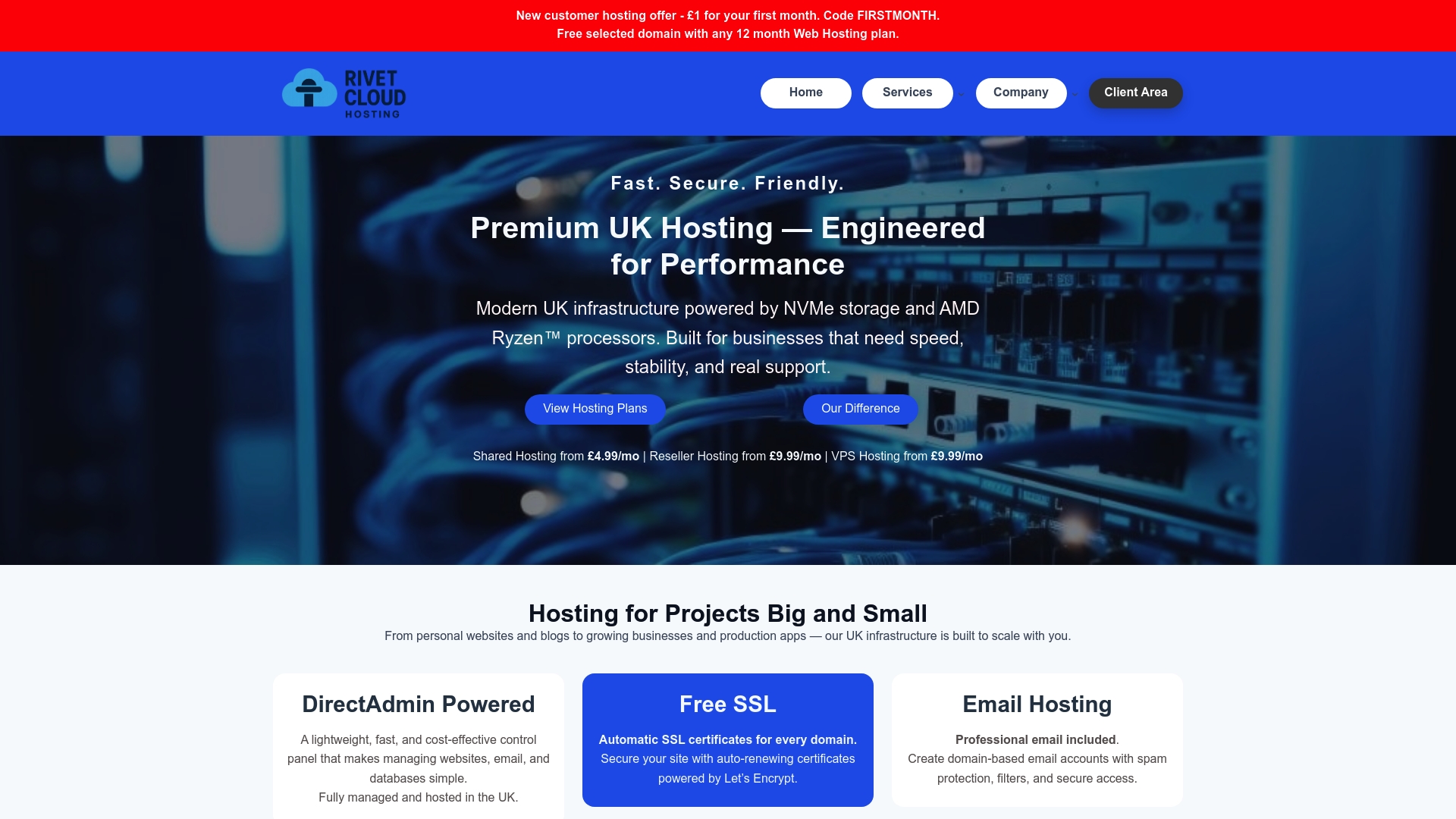
Our premium UK hosting solutions leverage NVMe storage, UK-based data centres, and fully managed services to deliver the reliability your business demands. From shared hosting for growing websites to scalable VPS plans supporting rapid expansion, find infrastructure that grows alongside your success with responsive UK-based support backing every plan.
FAQ
What uptime guarantee should I expect from premium hosting?
Premium hosting typically guarantees 99.99% uptime, which equates to roughly 52 minutes of downtime annually. This reliability threshold protects business revenue and maintains customer trust. SLA-backed guarantees often include compensation for downtime beyond agreed levels, demonstrating provider accountability.
How does premium hosting improve website speed?
Premium hosting uses technologies like NVMe SSDs, LiteSpeed servers, CDNs, and caching to reduce load times and server response under 300ms. Faster speed boosts user engagement, reduces bounce rates by up to 32%, and improves search engine rankings. These performance gains directly support conversion rates and organic visibility.
Are premium hosting security features worth the extra cost?
Advanced features like free SSL, WAF, DDoS protection, and malware scanning prevent costly breaches that damage reputation and violate data protection regulations. These features protect both business operations and customer data whilst supporting GDPR compliance. The peace of mind and risk mitigation justify premium costs for most UK businesses.
Can I scale my hosting resources easily as my business grows?
Premium hosting offers elastic scaling via cloud or VPS plans allowing instant resource upgrades without downtime. You can increase CPU, RAM, and storage through control panels as traffic grows, maintaining performance during expansion. Scalability supports evolving website demands and business growth trajectories without complex migrations.